River Season starts 16th June
A Guide to Barbel Fishing in the UK

Introduction to Barbel
The Barbus barbus, commonly known as the barbel, is one of the most powerful and sought-after freshwater fish in the UK. Known for its strength, endurance, and ability to thrive in fast-flowing rivers, barbel have earned a legendary reputation among anglers.
Native to parts of England and widely introduced into other river systems, barbel are now a cornerstone species in coarse fishing. They are especially valued for their hard-fighting nature and their ability to test even experienced anglers.
Barbel belong to the carp family (Cyprinidae) and are perfectly adapted to life in strong currents, making them a true “river specialist.”

Distribution in the UK
Barbel are primarily found in lowland rivers across England, with famous fisheries including the Trent, Severn, and Wye. They are far less common in Scotland and only found in limited areas of Wales.
Originally native to eastern England, they have been introduced into many rivers to enhance angling opportunities, and in some cases have become dominant species in those systems.

Habitat & Preferred Conditions
Barbel are strongly associated with clean, fast-flowing rivers and are rarely found in stillwaters unless stocked.
Key Habitat Features:
• Gravel or rocky riverbeds
• Moderate to fast current (“barbel zone”)
• High oxygen levels
• Clean, unpolluted water
They are typically found:
• In runs and glides
• Along creases between fast and slow water
• Near snags, weed beds, and undercut banks
Their physical shape — including a flat underside and streamlined body — is perfectly suited to holding position in strong currents.

Physical Characteristics
Barbel are instantly recognisable once you know what to look for:
• Long, torpedo-shaped body built for power
• Four barbels (whiskers) around the mouth used for detecting food
• Bronze or golden flanks with a pale underside
• Reddish or orange-tinged fins
• Flattened belly for hugging the riverbed
These features are all adaptations to life in fast-moving water, allowing them to feed efficiently and conserve energy in strong flows.

Feeding Behaviour & Natural Diet
Barbel are bottom feeders, spending most of their lives searching the riverbed for food.
Natural Diet Includes:
• Insect larvae
• Freshwater shrimps
• Worms
• Snails and crustaceans
• Small fish and organic matter
They use their sensitive barbels to detect food in gravel and silt. Feeding is often most active at night, although they will feed during the day when conditions feel safe.
Angling Insight:
Barbel respond well to:
• Pellets
• Meat (luncheon meat is a classic)
• Maggots and worms

Movement & Swimming Behaviour
Barbel are powerful swimmers built for life in strong current:
• Use large pectoral fins to stabilise themselves
• Capable of holding position in fast flow
• Often travel significant distances in rivers
They are not static fish — some individuals will move several kilometres in response to changes in flow, temperature, or feeding opportunities.

Breeding & Spawning
Barbel spawn in late spring to early summer, depending on water temperature and river conditions.
Spawning Requirements:
• Clean, well-oxygenated gravel beds
• Suitable flow conditions
• Stable water levels
Eggs are laid within gravel, making them vulnerable to:
• Siltation
• Pollution
• Flood washouts
Successful spawning is highly dependent on river health, which is why barbel are often seen as indicators of clean water.

Growth Rate & Lifespan
Barbel are relatively long-lived fish:
• Lifespan: 15–20+ years
• Can grow over 1 metre in length
• Capable of reaching 20lb+ in the UK
Growth rates depend heavily on:
• Food availability
• Water quality
• Stock density

Water Temperature & Seasonal Behaviour
Barbel are sensitive to environmental conditions, particularly:
• Low oxygen levels
• High temperatures
• Low river flow
During hot, low-water periods, barbel can become stressed and less active. Conversely, increased flow and oxygen levels often trigger feeding activity.

Flood & River Conditions
River conditions play a huge role in barbel behaviour:
Rising or Coloured Water:
• Often excellent for fishing
• Encourages feeding activity
Extreme Flooding:
• Can displace fish
• May wash away eggs and juveniles
Understanding river levels is one of the biggest keys to consistent barbel success.

Predators & Threats (Including Otters)
Barbel face several natural and environmental threats:
Natural Predators:
• Otters
• Pike
• Cormorants and other fish-eating birds
Environmental Threats:
• Pollution (agricultural and industrial)
• Siltation of spawning beds
• River modification (weirs, dams)
• Invasive species such as signal crayfish
Otter predation in particular has become a major talking point among UK anglers.

Diseases & Health Issues
Barbel can be affected by:
• Low oxygen stress
• Pollution-related illness
• Parasites and infections
• Handling stress from angling
Because they require high oxygen levels, they are more sensitive than many other coarse fish species.

Why Barbel Matter
Barbel are more than just a sport fish — they are an indicator species for river health. If a river holds a strong barbel population, it is usually clean, well-oxygenated, and ecologically healthy.
For anglers, they represent:
• Power
• Challenge
• Tradition
How to Catch Barbel in the UK – Complete Angler’s Guide
Introduction

Catching barbel is one of the most exciting challenges in UK coarse fishing. The Common barbel is famous for its strength, speed, and ability to use river flow to its advantage — making it a true test of angling skill.
The good news? Barbel are not impossible to catch. With the right approach, tactics, and understanding of conditions, you can catch them consistently.
This guide will help you land your first barbel.
Where to Fish for Barbel

The first rule of barbel fishing is simple:
Barbel are almost always found in:
• Fast-flowing rivers
• Gravel-bottom runs
• Areas with strong oxygen levels
Key Spots to Target:
• Creases (where fast meets slow water)
• Gravel runs and glides
• Near snags, overhanging trees, or weed beds
• Below weirs and bridges
Barbel will often sit just out of the strongest current, conserving energy while waiting for food to come to them.
Understanding Conditions (This Is CRITICAL)

Barbel fishing success is heavily influenced by river conditions.
Best Conditions:
• Rising river levels
• Slightly coloured water
• Mild or warm temperatures
Tough Conditions:
• Low, clear water (fish become cautious)
• Very high floods
• Extreme heat with low oxygen
Barbel often feed aggressively when rivers are rising — this is one of the best times to fish. However, it is noted that on the River Severn, Barbel will often be caught as the river starts to drop. The River Severn is an extremely fast flowing river.
Best Time to Catch Barbel

Barbel are most active during:
• Evening and dusk
• Night fishing sessions
• Early morning (less pressure)
They are naturally cautious fish and feel safer feeding in low light.
Essential Tackle Setup

Barbel are extremely powerful — your gear needs to handle it.
Rod & Reel:
1.5–2lb test curve rod
Strong reel with good drag
Line:
10–15lb mainline (strong rivers = heavier)
Rigs:
Running ledger rig (most common)
Heavy leads to hold bottom
Keep everything pinned to the riverbed .
The goal: keep your bait natural and stationary in the flow.
Best Baits for Barbel

Choosing the right bait is one of the biggest factors in successful barbel fishing in UK rivers. Barbel are aggressive bottom feeders that rely heavily on scent, oils, and natural food signals carried through the current. Using high-quality bait with strong attraction can dramatically improve catch rates, especially on pressured rivers.
At Severn Valley Barbel Products, we specialise in producing premium-quality barbel fishing bait, specifically designed for UK river conditions and modern barbel angling.
Our products are developed by anglers, for anglers — with a strong focus on attraction, consistency, and proven results on the bank.
1. Pellets – The Ultimate Barbel Bait
Pellets are widely regarded as the number one bait for barbel fishing, and for good reason. They create a strong scent trail in flowing water, break down naturally, and keep fish feeding confidently in your swim.
Severn Valley Barbel Products specialise in top-quality barbel pellets available in a wide range of flavours, with our signature Ambush flavour pellets being our best-selling and most successful product range.
Our premium Feed Pellets are available in:
• 3mm pellets
• 4mm pellets
• 6mm pellets
These flavoured pellets are ideal for:
• Loose feeding
• Pellet feeders
• Spodding
• PVA bags
For even more attraction, anglers can add Powerboost, our highly effective liquid additive designed to increase scent leakage and feeding response. Powerboost is fully PVA bag friendly, making it perfect for modern barbel fishing tactics.
Our Hookers Pellets are designed specifically for hookbait presentation and can be fished:
• On a hair rig
• Banded
• Using a lasso knot
To maximise attraction even further, anglers can:
Soak the pellets in Powerboost
Or coat them with Tar Dip
Our famous Tar Dip is an ultra-thick bait dip that clings to the pellet and slowly leaks powerful attractants into the river, creating an irresistible scent trail that barbel simply cannot ignore.
Our unique Supreme7 Ambush Pellet Mix is one of the most versatile river fishing bait mixes available.
Once water has been added, the mix can be used:
• In pellet feeders
• On method feeders
• Wrapped around the lead
• Balled up and catapulted into the swim
This makes it an outstanding bait for creating a concentrated feeding area and keeping barbel grubbing around confidently on the riverbed.
2. Boilies – Proven Big Barbel Catchers
Boilies are one of the most reliable and effective baits for targeting specimen barbel.
At Severn Valley Barbel Products, our Ambush flavoured boilies are produced using only the highest-grade ingredients possible, creating a powerful food source that barbel return to again and again.
Why Our Barbel Boilies Work:
• Slow breakdown for long-lasting attraction
• Strong scent leakage in flowing water
• High nutritional value
• Effective in all seasons
These boilies are ideal for:
• Hair rig fishing
• PVA bag tactics
• River baiting campaigns
• Big fish targeting
Whether fishing in summer floods or cold winter rivers, Ambush boilies remain highly effective all year round.
3. Luncheon Meat – A Classic River Barbel Bait
Luncheon meat remains one of the most devastating traditional barbel baits ever used.
Its oily texture, strong scent, and soft consistency make it perfect for river fishing, especially in coloured water conditions.
To improve attraction even further:
• Dip the meat in Powerboost
• Or soak it overnight for maximum flavour absorption
This creates an even stronger scent trail in the water and can dramatically increase bites during difficult conditions.
4. Maggots – Natural Feeding Trigger
Maggots are an outstanding natural bait for barbel and are particularly effective when fish are feeding cautiously.
Large beds of maggots can:
• Encourage competitive feeding
• Hold shoals in the swim
• Trigger bites in clear water conditions
Many anglers combine maggots with pellets for a balanced baiting approach.
5. Worms – Natural & Highly Effective
Worms are one of the most natural food items barbel encounter in rivers and can be incredibly effective after rain or in coloured water.
Lobworms and dendrabaenas produce:
• Natural movement
• Strong scent signals
• Excellent attraction for larger fish
They are especially useful when fishing:
• Flooded rivers
• Winter conditions
• Low-pressure venues
Final Thoughts on Barbel Bait
Successful barbel fishing is all about confidence, attraction, and keeping fish feeding in your swim.
Using premium-quality river fishing bait from Severn Valley Barbel Products gives anglers the edge needed to target barbel consistently across UK rivers.
From high-attraction pellets and powerful liquid additives to premium boilies and proven hookbaits, our products are designed to help anglers catch more barbel in all conditions.
Simple Proven Tactics
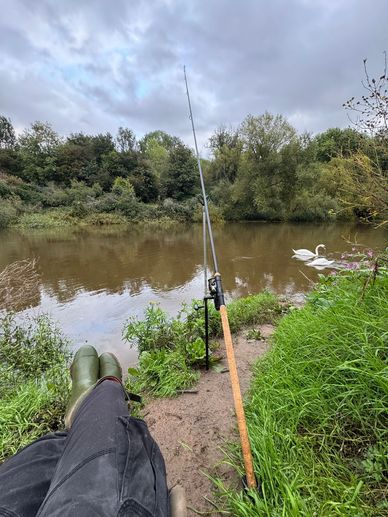
Ledgering (Most Effective Method)
• Cast slightly upstream
• Let bait settle on riverbed
• Keep line tight
Wait for the classic barbel bite: A sudden, powerful pull — often aggressive
Feeding Strategy
Barbel fishing is as much about feeding fish as catching them.
• Introduce loose feed (pellets, hemp, etc.)
• Build a feeding area
• Keep bait going in consistently
A good feeding plan can dramatically increase your catch rate.
Stay Mobile or Commit?
Two approaches:
1. Stay Put
• Feed a swim and wait for fish to move in
2. Move & Search
• Try multiple swims
• Locate active fish
Both methods work — it depends on the river and conditions.
How Barbel Feed (Understanding This Changes Everything)

Barbel feed on the bottom, using their barbels (also known as barbules) to detect food.
They:
• Move upstream into flow
• Pick food from gravel
• Often feed in groups
Your bait MUST be:
• On the bottom
• In the feeding zone
• Presented naturally.
The Bite & Playing the Fish

Barbel bites are unmistakable:
• Rod tip slams round
• Line pulls hard
• Fish bolts downstream
They are known to:
• Head for snags
• Use current to fight
• Break weak tackle
Key Tips:
• Keep rod high
• Apply steady pressure
• Don’t give slack line
Fish Care (VERY IMPORTANT)

Barbel are tough in water — but fragile out of it.
Always:
• Use an unhooking mat
• Keep fish wet
• Return quickly
Support them in the flow until they swim away strongly.
Common Mistakes (Avoid These)
❌ Fishing in the wrong area
❌ Not using enough weight to hold bottom
❌ Ignoring river conditions
❌ Too much disturbance (casting too often)
❌ Weak tackle
Final Tips for Success
• Fish after rain — it’s often the best time
• Confidence is key — barbel fishing rewards patience
• Keep things simple — overcomplicating often reduces success
Summary
Catching barbel comes down to:
✔ Finding the right water
✔ Fishing the bottom properly
✔ Using effective bait
✔ Understanding river conditions
Get these right — and your chances of success increase massively.
Holding a Barbel Correctly for Photographs
Fish Care Comes First
Barbel are powerful river fish and should always be handled with care and respect. A good photograph should never come at the expense of the fish’s safety. Before lifting the fish, make sure an unhooking mat is laid out on flat ground close to the water and is thoroughly wetted.
Preparing for the Photo
- Keep the fish out of the water for the shortest time possible.
- Wet your hands before touching the fish to protect its natural slime coat.
- Ensure the camera is ready before lifting the fish.
- Kneel down close to the mat before picking the fish up.
Correct Holding Technique
When lifting a barbel for a photograph:
Support the fish properly with both hands.
- One hand should support the pectoral area just behind the front fins.
- The other hand should support the wrist of the tail.
Keep the fish low to the ground at all times.
- Hold the fish directly above the unhooking mat.
- Never stand upright while holding the fish.
- Staying low ensures the fish cannot fall far if it kicks suddenly.
Avoid squeezing the fish.
- Hold it firmly enough for support but gently enough to avoid causing damage.
Keep the fish level.
- Avoid hanging the fish vertically or bending its body unnaturally.
If the Fish Becomes Restless
Barbel are strong fish and can suddenly twist or kick. If the fish starts to struggle:
- Immediately lower it back onto the wet mat.
- Regain control calmly before attempting another photograph.
- Never try to “save” a dropping fish by grabbing tightly or awkwardly.
Returning the Fish
After photographs are taken:
- Return the fish to the water carefully and as quickly as possible.
- Support it upright in the flow until it is ready to swim away strongly on its own.
Responsible fish handling protects the welfare of the fish and helps preserve the future of the sport for everyone.
Considerations for Disabled Anglers and Older Anglers
While taking photographs standing up is generally not encouraged, disabled anglers and older anglers may need to adapt fish handling to suit their mobility, balance, or physical needs.
With the correct preparation and fish care in mind, there is no reason to feel discouraged from taking photographs of your captures.
Helpful adaptations can include:
- Using extra-thick unhooking mats, preferably two mats stacked on top of each other, to provide additional protection if the fish slips.
- Taking photographs while standing in shallow water where practical and safe.
- Wheelchair users placing a clean, damp towel across their lap for additional fish protection while remaining close to the mat.
- Having another angler assist with lifting, supporting, or photographing the fish.
- Keeping all equipment prepared beforehand so the fish spends as little time out of the water as possible.
The key principle is always fish welfare. Whatever adaptations are needed, the fish should be handled calmly, supported securely, kept close to a protected surface, and returned to the water quickly.
After photographs, allow the fish time to recover properly in the margins or flow before release, ensuring it is fully rested and ready to swim away strongly.
