Autumn is here!
Signed in as:
filler@godaddy.com
For thousands of years, the River Severn has been far more than just a river. It has served as:
• a trade route
• a natural border
• a source of food
• an industrial highway
• a military crossing
• a center of engineering innovation
From Celtic Britain to the modern age, the River Severn has played a crucial role in shaping the Severn Valley history, influencing the development of both Wales and England.
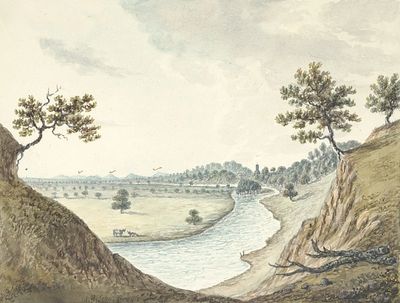

The River Severn’s Welsh name — Afon Hafren — comes from an ancient legend surrounding Hafren or Sabrina, a mythical princess said to have drowned in the river.
According to legend:
Sabrina was the daughter of a British king.
She was thrown into the river by a jealous queen. The river became named in her memory.
This story survived through Celtic and Roman Britain and became one of the most enduring myths connected to any British river.
The Romans later Latinised the name into Sabrina.

When the Romans invaded Britain in AD 43, they quickly recognised the strategic importance of the River Severn. Flowing deep into the heart of Britain and connected to the Bristol Channel, the Severn became one of the most important natural routes in Roman Britain.
To the Romans, the river served as:
• a military frontier
• a transport route
• a trade corridor
• a link between Wales and central Britain
For nearly four centuries Roman influence shaped the towns, forts and river crossings along the Severn Valley.

In the early years of Roman occupation, much of western Britain remained difficult to control. The lands beyond the Severn included powerful Celtic tribes in Wales who resisted Roman rule for decades.
The river therefore became a natural military boundary.
Roman forces established forts and defended crossings to:
• monitor movement
• secure supply lines
• launch military campaigns into Wales
• protect trade routes
The Severn Valley allowed Roman troops and supplies to move efficiently between military bases and settlements.

The Romans were expert engineers and developed an extensive road network linked to the river.
Major Roman roads crossed or approached the Severn at key locations including:
• Gloucester
• Worcester
• Caersws
• Caerleon
Crossings were extremely important because the Severn could be dangerous:
• strong currents
• flooding
• tidal changes further downstream
• marshy ground
Roman engineers constructed:
• bridges
• causeways
• paved roads
• defensive river crossings
Many later medieval towns developed around these same Roman crossing points.

The Romans transformed the Severn into a major commercial route.
Goods transported along the river included:
• iron
• lead
• salt
• grain
• pottery
• wine
• olive oil
Imports arrived through the Severn Estuary from across the Roman Empire. Small ports and landing places developed along navigable sections of the river, helping Roman settlements grow and prosper.
The Severn connected inland Britain with:
• the Bristol Channel
• Gaul (modern France)
• Iberia
• wider Roman trade networks

The Severn Valley was rich in natural resources that attracted Roman industry.
Nearby areas such as:
• the Forest of Dean
• the Welsh borders
• Shropshire
contained:
• iron ore
• coal
• lead
• timber
The river allowed these heavy materials to be moved far more easily than overland transport. Roman ironworking sites and mining operations developed throughout the wider Severn region.

Roman and Celtic cultures blended along the Severn Valley. Local people continued to honour older Celtic traditions while adopting Roman customs, architecture and religion.
The river itself remained spiritually important. The goddess Sabrina became associated with the Severn, combining:
• Celtic mythology
• Roman religious beliefs
• local folklore
Temples and shrines were often built near water, springs and river crossings throughout Roman Britain.

By the early 5th century Roman authority in Britain began to collapse.
As Roman troops withdrew:
• forts were abandoned
• roads deteriorated
• trade declined
• local kingdoms emerged
Yet the Severn remained vital.
Many Roman settlements survived and later became medieval towns, meaning the influence of Roman Britain continued along the river long after the empire disappeared.
Even today, traces of Roman Britain can still be found all along the Severn Valley:
• buried roads
• fortress walls
• mosaics
• coins
• place names
• archaeological remains
The River Severn was one of the great arteries of Roman Britain — linking military power, trade and culture across the western frontier of the empire.
For thousands of years, the River Severn has been far more than just a river. It has served as:
• a trade route
• a natural border
• a source of food
• an industrial highway
• a military crossing
• a center of engineering innovation
From Celtic Britain to the modern age, the River Severn has played a crucial role in shaping the Severn Valley history, influencing the development of both Wales and England.


In medieval Britain, transporting heavy goods over land was slow, dangerous and expensive. Roads were often little more than muddy tracks, especially during winter.
The River Severn provided a far more reliable route.
Boats travelled both upstream and downstream carrying cargo between towns and ports. Merchants transported:
• wool
• grain
• leather
• timber
• salt
• wine
• iron
• agricultural produce
The river connected inland settlements with coastal trade routes through the Severn Estuary and the Bristol Channel. By the High Middle Ages, the Severn had become one of the busiest trading rivers in Britain.

A number of important medieval towns flourished along the Severn because of trade and strategic river crossings.
Shrewsbury
Almost surrounded by the Severn, Shrewsbury became one of the wealthiest medieval market towns in western England. Its merchants traded Welsh wool and cloth throughout Britain and Europe.
The town’s position near the Welsh border also made it strategically important during conflicts between England and Wales.
Bewdley
Bewdley developed as an important crossing point and river trading settlement. Timber from the Wyre Forest and agricultural goods were transported along the river from here for centuries.
Its riverside location would later help the town grow into a significant Georgian river port.
Worcester
Worcester became a major religious and commercial centre during the medieval period.
Its cathedral dominated the skyline above the river and pilgrims, merchants and traders regularly passed through the city. River trade helped Worcester prosper, while the Severn also provided fish, transport and defensive protection.
Tewkesbury
Located near the meeting point of the Severn and Avon, Tewkesbury became known for trade, milling and its magnificent abbey.
Its position on the river network helped establish it as an important medieval market town.

Crossing the Severn was often difficult and dangerous. During periods of heavy rain or flooding:
• currents became extremely strong
• low-lying crossings disappeared underwater
• travel could be cut off for days
Because of this, bridges became hugely important and valuable structures.
Stone bridges were expensive to build and maintain, so towns with permanent bridges often became wealthy trading centres. In places where bridges did not exist, ferries carried travellers, livestock and goods across the river.
Control of crossings also meant control of trade and movement, making many Severn towns strategically important.
Religion played a central role in medieval life along the Severn.
Monasteries and abbeys were often built close to rivers because they depended on water for:
• fishing
• milling
• transport
• farming
• brewing
The river also provided symbolic and spiritual importance. Important religious sites included:
• Worcester Cathedral
• Tewkesbury Abbey
• monasteries around Gloucester and Shrewsbury
Monks helped develop agriculture, maintain river crossings and support local economies.

The Severn provided an important source of food throughout the medieval period.
Fish caught in the river included:
• salmon
• eels
• lamprey
• trout
• pike
Salmon from the Severn became especially prized and large fisheries developed along parts of the river. Fishing rights were carefully controlled by:
• monasteries
• noble families
• local landowners
Illegal fishing and disputes over weirs and nets were common. For ordinary people living beside the river, daily life revolved around its changing seasons, floods and opportunities.

By the end of the medieval era, the River Severn had helped shape a network of prosperous towns, religious centres and trading communities stretching from Wales to the estuary.
Many features of the modern Severn Valley still reflect this medieval past:
• street layouts
• bridges
• market towns
• riverside quays
• abbeys and cathedrals
• ancient crossing points
The medieval Severn was a living, working river — central to everyday life and vital to the growth of western Britain.

The Severn played a major strategic role during the English Civil War (1642–1651).
Why the river mattered as the bridges controlled movement of armies. The
towns along the Severn became military strongholds and crossing points were heavily defended.
Key locations included:
Worcester
Shrewsbury
Bridgnorth

The Battle of Worcester became one of the most important events connected to the Severn.
It was the final major battle of the English Civil War and the defeat of King Charles II’s Royalist army, a decisive victory for Oliver Cromwell.
The river itself influenced troop movements, bridges and defensive positions around the city.

Few rivers in Britain are as closely connected to the Industrial Revolution as the River Severn. During the 18th and 19th centuries the Severn became one of the great industrial arteries of Britain, carrying the raw materials, machinery and manufactured goods that helped transform the country into the world’s first industrial nation.
Long before railways spread across Britain, the Severn was already functioning as a major transport network. Its waters linked mines, ironworks, factories and growing industrial towns from Wales and the Midlands to the ports of the Bristol Channel.
The river was central to:
• coal mining
• iron production
• engineering
• pottery and manufacturing
• river transport
•canal development
• international trade
Entire communities along the Severn were reshaped by industry, and many of the landscapes seen today still carry the marks of this extraordinary period of change.
Before the arrival of modern railways, moving heavy goods over land was slow, difficult and expensive. Roads were often poor and unsuitable for large cargo. The River Severn provided a natural solution.
Large quantities of goods could be moved by boat far more efficiently than by horse and cart. This made the river essential for transportation.
The Severn connected industrial areas in:
• Shropshire
• Worcestershire
• the Black Country
• South Wales
with ports and international trade routes further downstream.
Industrial growth naturally developed close to navigable sections of the river.

The most famous industrial landscape on the Severn is Ironbridge Gorge.
During the 18th century this narrow valley became one of the most important centres of industrial innovation in the world.
The gorge contained:
• coal deposits
• iron ore
• limestone
• woodland for charcoal
• fast-flowing streams for power
direct access to the River Severn
These natural advantages allowed industry to grow rapidly.
The town of Coalbrookdale became especially important after Abraham Darby developed new methods of smelting iron using coke instead of charcoal. This breakthrough dramatically increased iron production and helped drive the Industrial Revolution forward.
Completed in 1779, The Iron Bridge became the world’s first major bridge made entirely of cast iron.
Crossing the Severn at Ironbridge Gorge, it was:
• a revolutionary engineering achievement
• a symbol of industrial confidence
• proof of Britain’s growing technological power
The bridge demonstrated the possibilities of iron construction at a time when most bridges were still built from stone or wood.
Today it remains one of the most important engineering landmarks in the world and gave the town of Ironbridge its name.

As industry expanded, traffic on the Severn increased dramatically.
Specialised cargo boats known as Severn trows became a common sight along the river. These large sailing barges were designed specifically for navigating the Severn and its tidal conditions.
The river carried:
• pig iron
• finished iron goods
• pottery
• coal
• machinery
• building materials
• agricultural produce
Boats travelled between:
• Ironbridge
• Bridgnorth
• Bewdley
• Worcester
• Gloucester
• Bristol
The river effectively became a moving industrial highway.

Further downstream, Gloucester developed into one of the Severn’s great industrial ports. Gloucester Docks became a major centre for warehousing, shipping, canal transport and international trade.
The construction of the Gloucester & Sharpness Canal improved navigation by allowing larger vessels to avoid the dangerous tidal stretches of the lower Severn.
Industrial goods from the Midlands could now reach seagoing ships more efficiently, strengthening trade connections across Britain and beyond.

The Industrial Revolution along the Severn encouraged major advances in engineering and construction.
Engineers developed:
• stronger bridges
• improved locks
• canals
• aqueducts
• flood management systems
• new transport infrastructure
One of the most influential engineers associated with the Severn was Thomas Telford. His elegant Bewdley Bridge became an important river crossing and remains one of the finest Georgian bridges in Britain.
The Severn Valley became a showcase for industrial engineering and innovation.

Industrialisation transformed everyday life along the Severn. Small rural settlements grew into busy industrial communities filled with furnaces, workshops, warehouses, boatyards, foundries and canalside industries.
Thousands of people found work in mining, metalworking, transport, pottery, construction and river trade.
Life could be harsh and dangerous, with workers facing pollution, industrial accidents, flooding, poor housing and physically demanding labour. Yet industry also brought employment, economic growth and new opportunities to the Severn Valley.
As industry expanded, canals were built to connect the Severn with inland manufacturing regions. Later, railways began to compete with river transport.
By the late 19th century:
• steam railways were faster
• canals declined
• commercial river traffic reduced
However, the Severn remained important for heavy transport and maritime trade well into the Victorian period.
The river had already played its historic role in helping launch the industrial age.

Although the great age of river industry has passed, the legacy of the Industrial Revolution still defines much of the landscape along the River Severn. From the hills of Shropshire to the docks of Gloucester, the valley remains filled with reminders of the period that transformed Britain into the world’s leading industrial power.
The Severn was never simply a backdrop to industrial growth. It was one of the driving forces behind it. The river provided transport, power, trade connections and access to raw materials at a time when efficient movement of goods was essential. Entire towns grew around its banks because of the opportunities the river created, and generations of workers depended on it for their livelihoods.
Today many former industrial settlements have evolved into historic towns and visitor destinations, yet traces of their working past remain everywhere. Old warehouses still stand beside the river at Gloucester, former quays and loading points survive in riverside communities, and the distinctive industrial landscapes of Ironbridge Gorge continue to tell the story of Britain’s industrial beginnings.
The Ironbridge Gorge in particular has become internationally recognised as one of the birthplaces of the modern industrial world. What was once a smoky valley of furnaces, foundries and mines is now preserved as a UNESCO World Heritage Site, where visitors can still see the furnaces, workshops and engineering achievements that changed global industry forever. The famous The Iron Bridge remains a symbol not only of the Severn Valley, but of the Industrial Revolution itself.
Further downstream, the river’s maritime heritage survives in the restored docklands and canals of Gloucester. During the height of industrial trade these waterways connected the Midlands to international shipping routes, allowing manufactured goods from inland Britain to reach ports across the world. Even today the canal basins, warehouses and dock buildings preserve the atmosphere of the Victorian trading era.
The industrial period also changed the social character of the Severn Valley. Communities that had once been small agricultural settlements became centres of engineering, mining and manufacturing. Workers arrived from surrounding counties seeking employment, towns expanded rapidly, and riverside life became closely tied to factories, furnaces and transport networks. The growth of canals and railways later altered the way the river was used, but they too became part of the wider industrial landscape shaped by the Severn.
Many structures built during this era still dominate the valley today. Historic bridges, locks, canal cuts, embankments and riverside warehouses remain woven into the modern landscape. In places like Bewdley, Bridgnorth and Worcester, the riverfront still reflects the importance of trade and navigation during the 18th and 19th centuries.
The legacy of the Industrial Revolution can also be seen in the engineering traditions that emerged along the river. Innovations in bridge construction, iron production and transport developed beside the Severn influenced projects throughout Britain and across the world. Engineers working in the Severn Valley helped pioneer techniques that shaped the modern industrial age.
Today the River Severn is better known for tourism, heritage, wildlife and recreation than heavy industry, yet its industrial past remains impossible to separate from its identity. The furnaces may have cooled and the commercial barges disappeared, but the river still carries the story of the age that transformed Britain and changed the modern world forever.

Today the River Severn remains one of Britain’s most important and recognisable rivers. Although the age of heavy commercial traffic and large-scale industry has largely passed, the Severn continues to shape the landscapes, communities and economy of the regions through which it flows.
From its upland source in Wales to the tidal waters of the estuary, the river is still central to everyday life along the Severn Valley. It provides recreation, supports wildlife, attracts tourism, influences farming and continues to connect towns that have depended on the river for centuries.
Modern life beside the Severn is a blend of history, nature and contemporary river culture. Along its banks, ancient market towns sit beside modern flood defences, historic bridges carry busy roads, and former industrial waterways have become places for walking, boating and wildlife conservation.